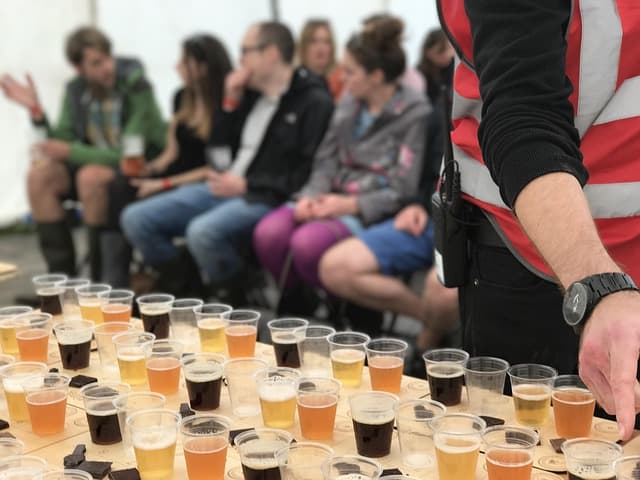
Thanks to a country like the United States, we learned about craft beer. This country, built on diversity, is a true example of intercultural cooperation and innovation. As Americans’ desire for creativity grew throughout the 20th century, beer lovers’ taste requirements evolved. They demanded a replacement for the light lager that had dominated the beer market for so long. Many became interested in home brewing, hoping to bring their product to the people by reviving beer styles that had been forgotten. It was not until 1976, when the California-based Sonoma company founded the New Albion brewery, that the entire brewing industry experienced a “renaissance” in the United States.
Although New Albion closed six years after opening, this brewery served as a stepping stone for the future of craft brewing. New Albion inspired hundreds of home brewers, such as Ken Grossman of Sierra Nevada and Sam Calagione of Dogfish Head, to realize their craft dreams and share their beer with the world. Today, more than 4,000 breweries operate in more than 350 counties across the country.
Pale Ale
- Lagunitas Born Yesterday Pale Ale (USA);
- Sierra Nevada Pale Ale (USA);
- Dogfish Head 120 Minute IPA (USA).
Pale Ale started the American craft beer movement. However, the style has been around for over 300 years and was invented in England. American pale ales are generally more hoppy than their British counterparts, with slightly more wild citrus and pine notes. Sierra Nevada, founded in 1979 in Chico, California, was the first to popularize this style. Beer lovers can expect an amber-gold color with fruity and citrus aromas. The main feature of this beer is the balance between sweet malt and bitter hops. It is an excellent beer for socializing, with a relatively low alcohol content and goes well with almost any food.
It is important to note that a very popular offshoot of this style, known as Indian pale ale (IPA), is currently one of the most popular styles in America. Typically much more hoppy in profile, IPA was first invented during transport from Britain to India, when brewers added tons of fresh hops to each barrel of beer to prevent the growth of bacteria during long journeys. Today, this style continues to evolve and grow in popularity.
Wheat Ales
- Samuel Adams Dunkelweizen (USA).
Also known as weissbier (pronounced “weiss-beer”), wheat beer originated in the southern province of Bavaria, where brewers used malted wheat instead of barley in their brewing process. The result is a yellowish-white beer. In the US, it is called Hefeweizen, but there are other types, such as dark wheat beer (Dunkelweizen), which is made using roasted wheat malt.
As a rule, wheat beer has notes of banana and cloves, is not bitter, and has virtually no hop aroma, but it is usually highly carbonated. Wheat beer is undoubtedly one of the most widely consumed types of beer.
Sours
- Goose Island Lolita (USA);
- The Bruery Tart Of Darkness (USA).
Undoubtedly one of the most unique styles you will ever try, intentionally sour beer. It is important to note that some sour varieties are Belgian. However, many American breweries have been actively brewing this style in recent years. What gives the beer its unique character is the presence of wild yeast. As a rule, the hue can vary from deep red to golden straw.
The aroma is immediately fruity and tangy, with a slightly sour, yeast-like aroma that gives the beer its sour taste. The amount of bitterness and sourness depends on the yeast strain, additional ingredients, and the aging process.
Brown Ales
- Bell’s Best Brown (USA);
- Big Sky Moose Drool Brown Ale (USA).
Brown ales are often overlooked for being boring. However, if you like a well-balanced ale, there is nothing better. They were first brewed in the 18th century and were more hoppy and brewed from 100% brown malt. Visually, most brown ales live up to their name, ranging from deep amber to brown in color.
The aroma has a characteristic burnt malt and chocolate note, while American varieties boast more hoppy notes thanks to American hop varieties. The flavor profile is distinctly caramel-chocolate with a hint of nutty flavor.