The style of beer can be determined during tasting. By understanding the basics of tasting, one can comprehend the essence of beer and learn to distinguish the slightest nuances in the taste and aroma of this remarkable beverage.
The aroma of beer is the first indicator of its style. The aroma is evaluated first, since the volatile components of beer dissipate within a minute after being poured into a glass. The chemist Meilgaard is considered the founder of the study of beer aromas. He was able to identify more than 100 individual aromatic elements of beer and compile a table of aromas called the Flavor Wheel. The main aromas of the “first nose” of beer are hops, malt, yeast, and bread. Beer can also have berry, floral, fruity, caramel, and spicy notes. Foreign odors are considered defects in beer: diacetyl impurities with the smell of melted butter, acetaldehyde with the smell of freshly cut grass, dimethyl sulfide with the smell of boiled vegetables, all shades of rust, phenol, medicinal, burnt, and metallic odors.
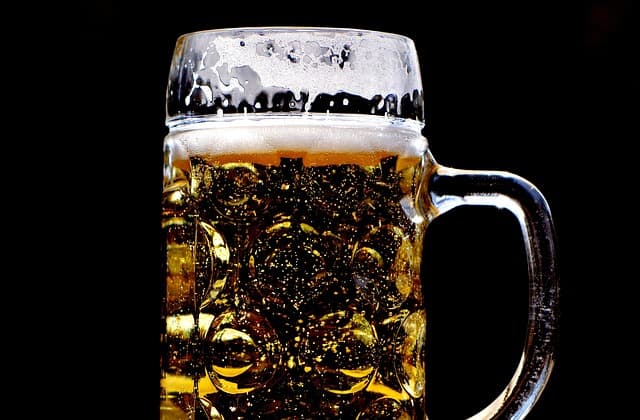
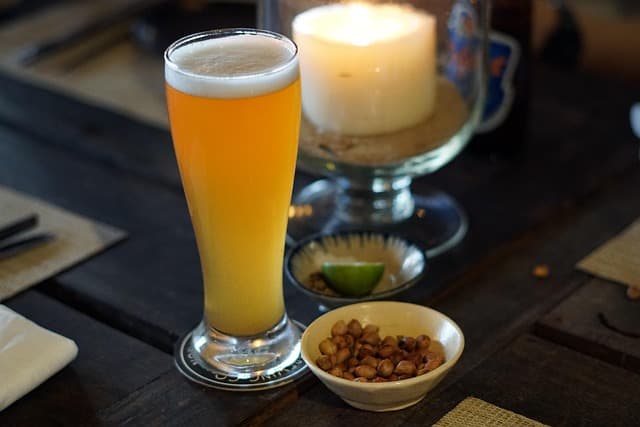
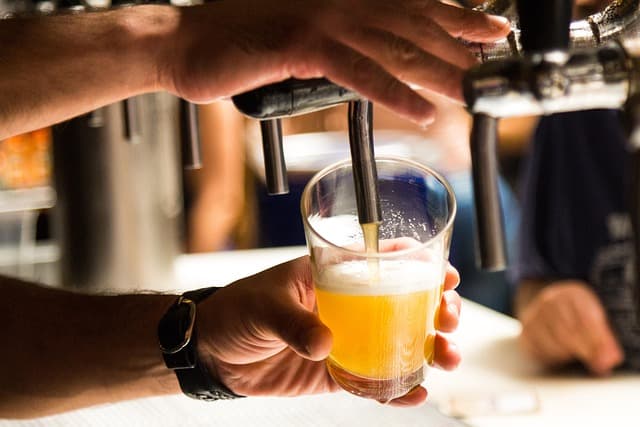
An important characteristic of beer is its color. There are two official color measurement scales: the American Standard Reference Method and the European Brewers Convention. The 13 shades of beer range from very light to black, through straw, gold, amber, copper, and brown. The external characteristics of beer are also evaluated: transparency and foam stability.
Both the aroma and taste of beer depend on individual perception, the quality of raw materials, technological subtleties, and storage conditions. Beer contains about a thousand components of varying intensity, each of which is on the verge of perception, but together they recreate the overall taste profile.
The main difference between beer tasting and wine tasting is that wine can be sipped without swallowing, while beer must be swallowed so that it reaches the back of the tongue, where the receptors that perceive bitterness are located. The bitterness of beer depends on the hop content and is measured on the International Bitterness Units Scale. The body of beer Mouthfeel (body) can be light, dense, uneven, rounded, or carbonated.
Beer with a strong character has a bitter hop taste, alcohol, and a sharpness imparted by carbon dioxide. Weaker beers have oxidized tones, caramel and fruit notes, and ethereal and malty tones in their taste. Determining the aftertaste of beer is the final chord of any tasting. It emphasizes and preserves the overall impression that will remain in your memory for a long time.